Buying a Mass Spectrometer Is the Easy Part. Making It Work Is Another Story.
How SpectraLab Scientific helped PPB Analytical bring a refurbished SCIEX 5500 LC-MS/MS into operation and supported it a year later.
TL:DR
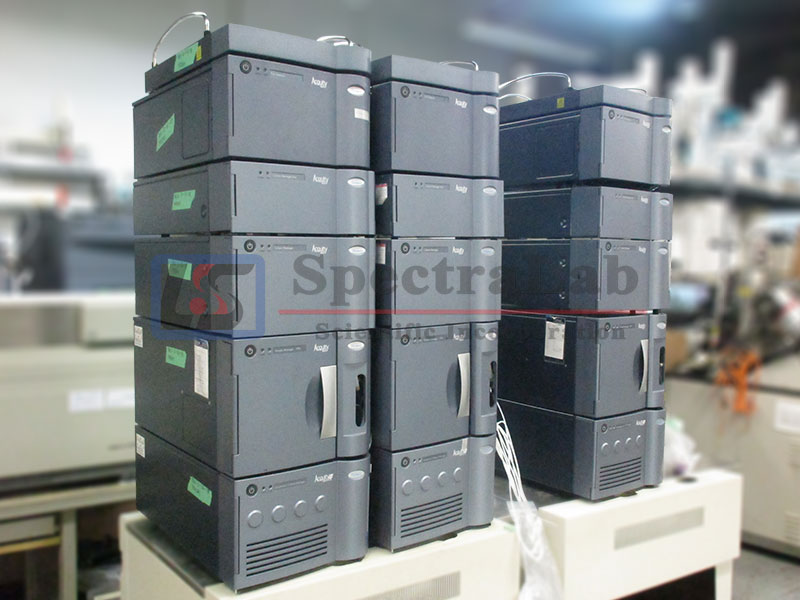
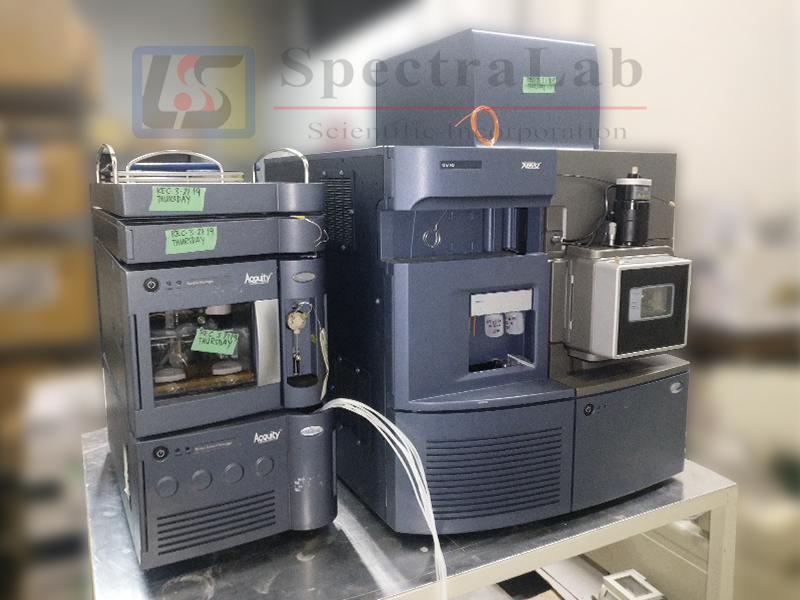
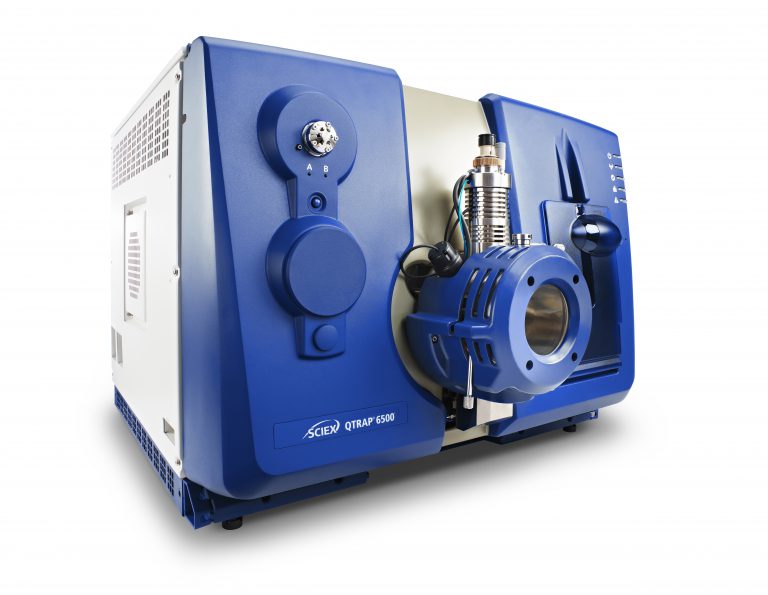
SpectraLab Scientific supplied PPB Analytical with a refurbished SCIEX 5500 LC-MS/MS system, along with installation, qualification, training, method development support, and an ongoing service plan.
One year later, we returned for preventive maintenance and qualification, showing how technical support extends well beyond the initial equipment purchase.
A mass spectrometer can cost hundreds of thousands of dollars and still fail to answer the question a laboratory needs it to answer. Not necessarily because something is wrong with the instrument. More often, the challenge lies somewhere between the sample, the analytical method, and the expectations placed on the system.
Consider pesticide residue testing in cannabis. The laboratory may be looking for a compound at just a few parts per billion, buried in an extract rich in cannabinoids, pigments, and other naturally occurring substances. Some of these compounds interfere with ionization. Others complicate chromatographic separation. Even when the target analyte is present, obtaining an accurate, reproducible measurement isn’t always straightforward.
For PPB Analytical, a Canadian testing laboratory working with complex samples and demanding analytical requirements, these are familiar challenges. Its testing services span pesticide residues, mycotoxins, and other contaminants, where reliable results depend on carefully developed analytical methods as much as the instruments themselves.
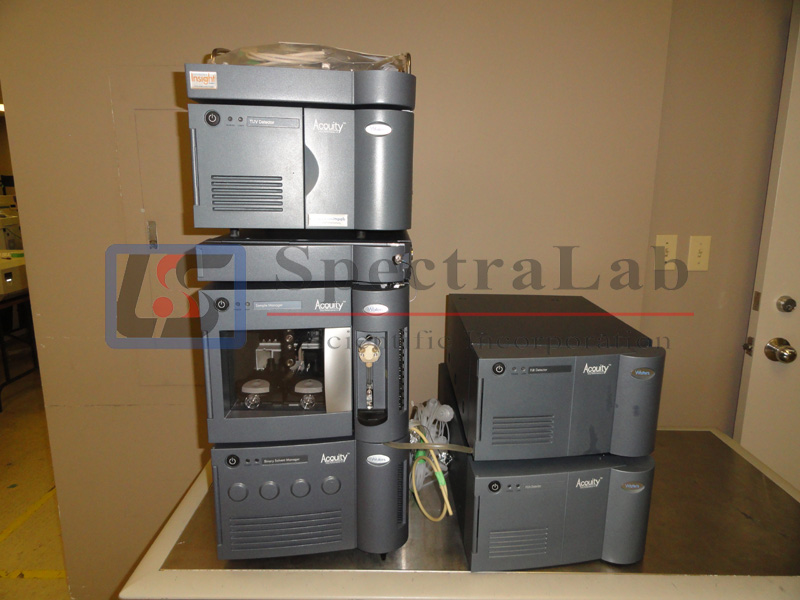
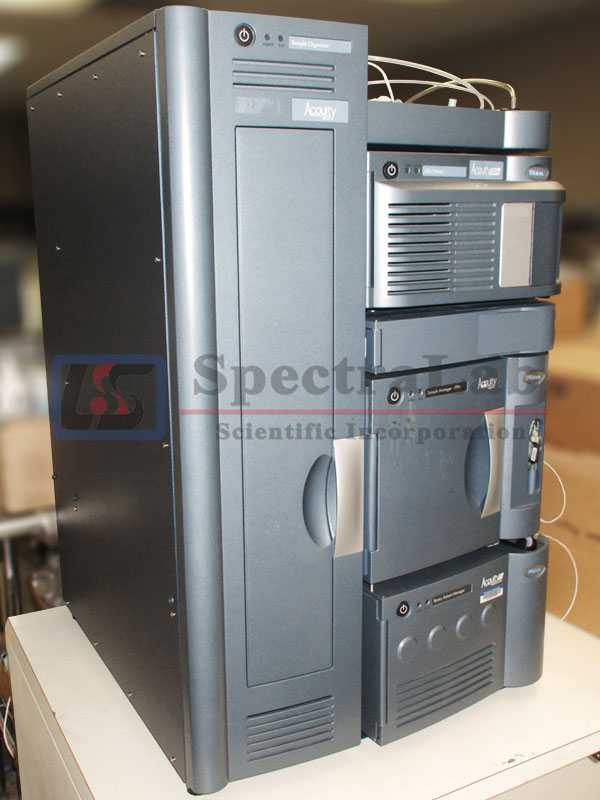
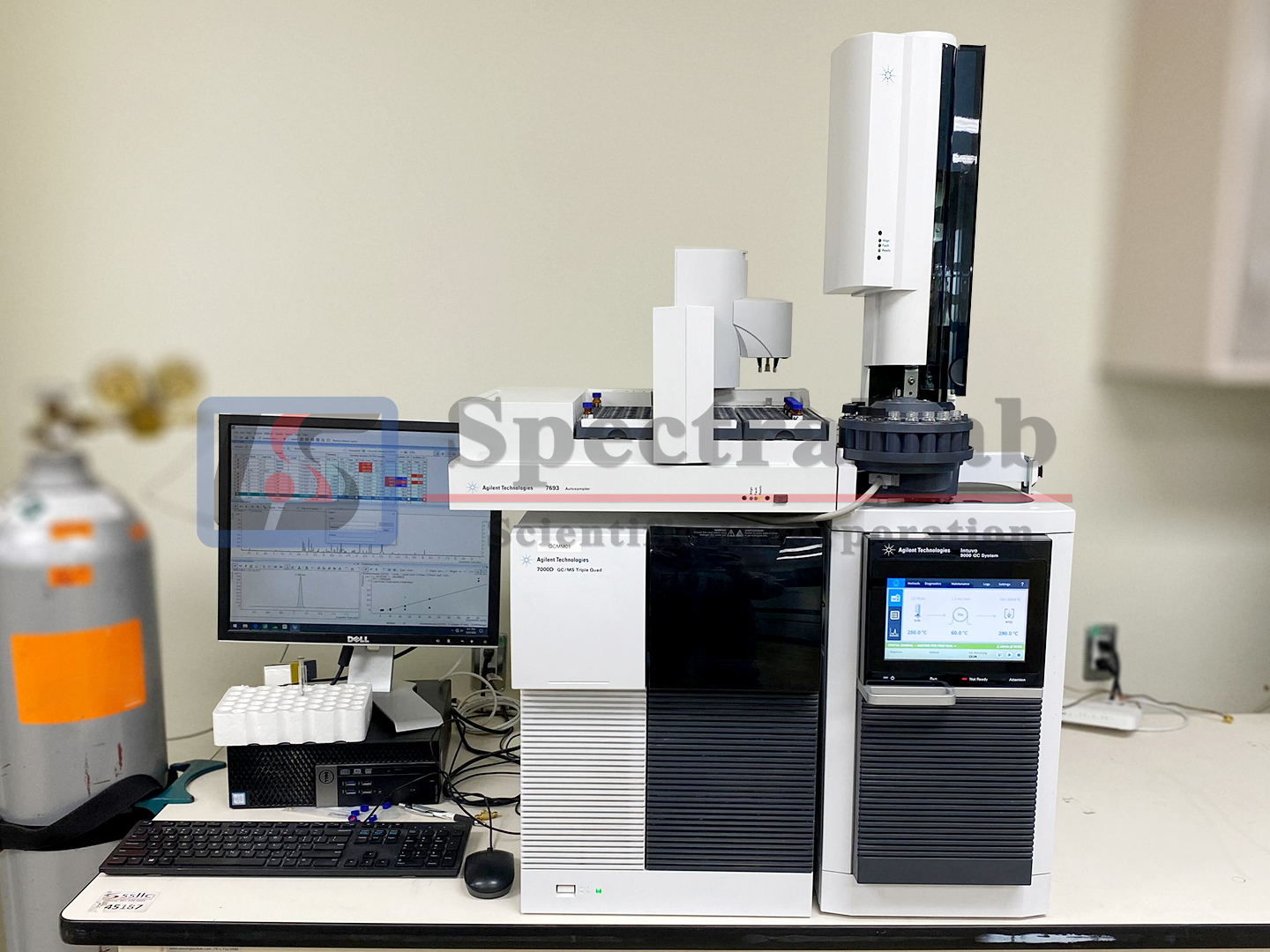
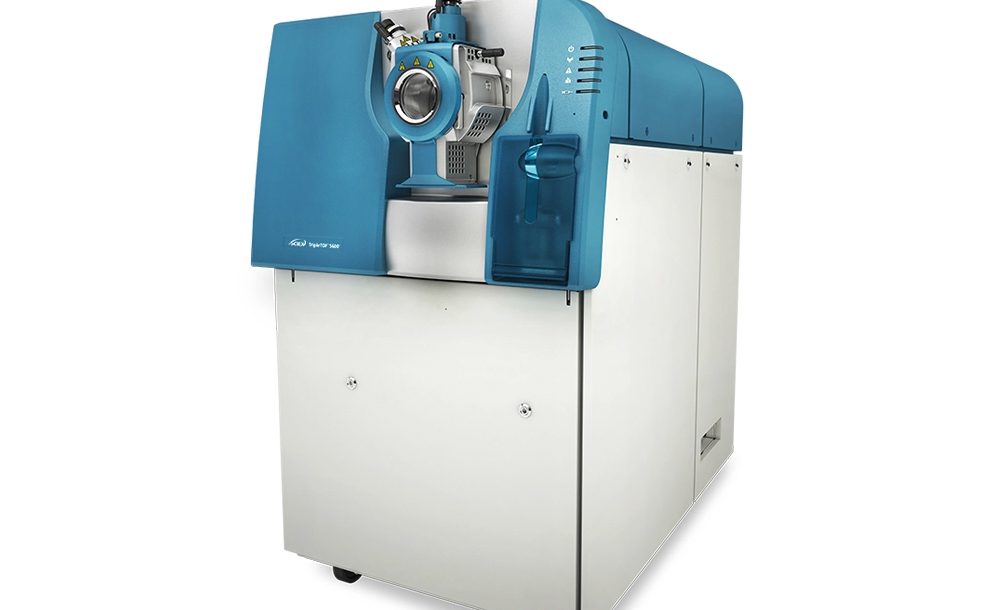
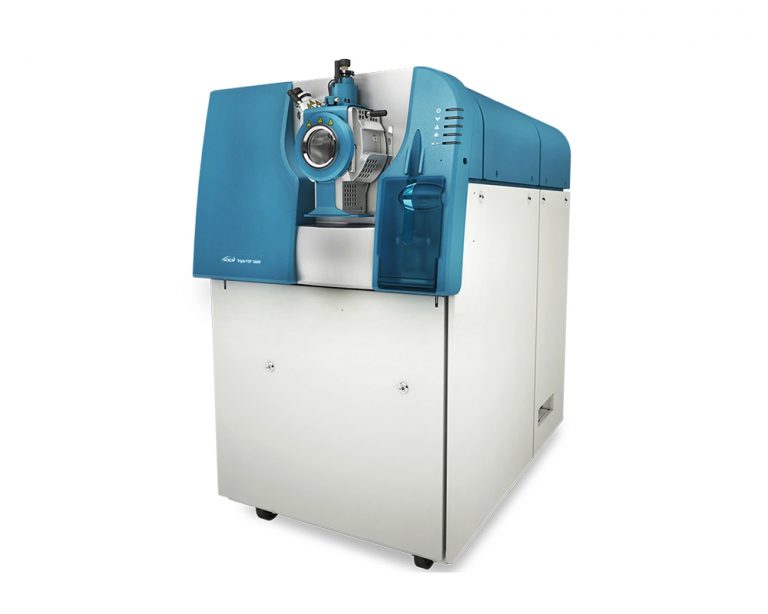
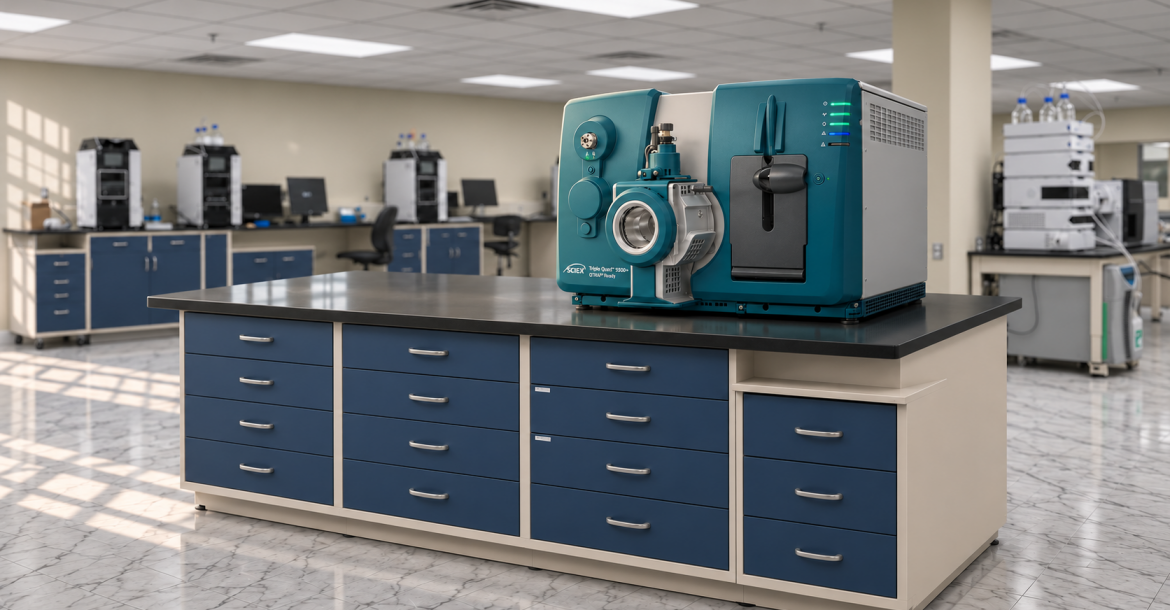
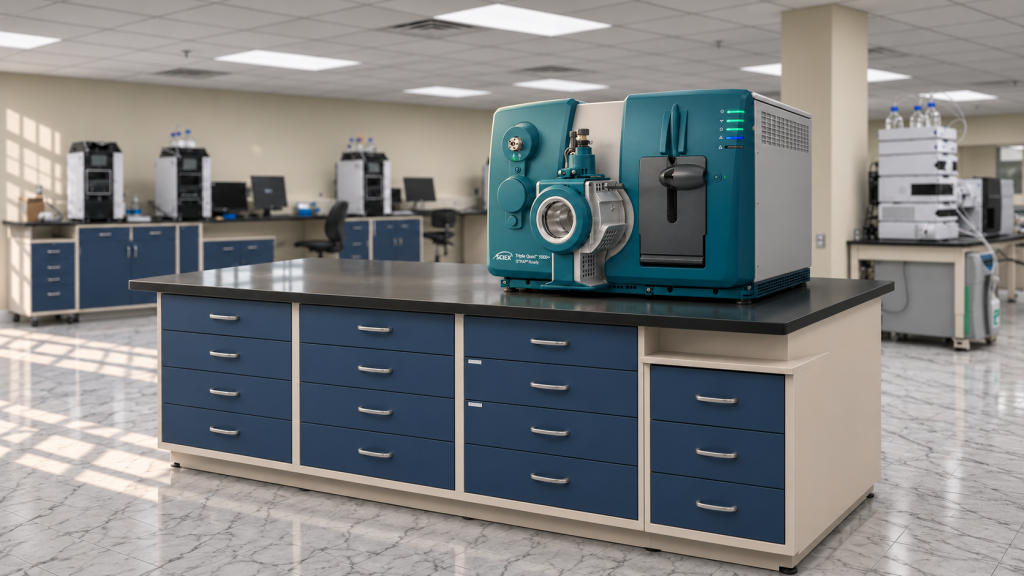
It was in this environment that SpectraLab Scientific supplied a refurbished SCIEX 5500 LC-MS/MS system to PPB, with installation, qualification, and method development support included in the project.
But delivering the instrument was only the beginning…


A powerful instrument is not a finished method
The SCIEX Triple Quad 5500 is a well-established platform for targeted quantitative analysis. Its multiple reaction monitoring (MRM) capabilities allow scientists to focus on specific compounds, filtering out much of the chemical noise that would otherwise complicate measurements. Scheduled MRM further supports methods involving large numbers of analytes by concentrating acquisition around their expected retention times.
On paper, these capabilities make the SCIEX 5500 well suited to a wide range of applications, from pesticide and mycotoxin analysis to pharmaceutical and environmental testing.
In practice, however, instrument specifications tell only part of the story.
A laboratory might have a mass spectrometer capable of detecting a particular pesticide at extremely low concentrations, yet still struggle to quantify that pesticide consistently in real samples. Matrix effects can suppress the signal. Compounds that behave well in a reference standard may behave differently after extraction. Even the choice of mobile phase, column, or ion source conditions can affect the outcome.
This is where method development becomes critical. The task is to bring the different parts of the analytical workflow together—chromatographic separation, mass spectrometer settings, calibration, and performance evaluation—until the method can reliably address the laboratory’s intended application.
For a refurbished LC-MS/MS system, there is another consideration. Before method work can proceed with confidence, the instrument itself must be properly installed and its performance evaluated.
SpectraLab’s technical team handled the installation and instrument qualification for PPB’s SCIEX 5500, followed by method development support to help bring the system into laboratory operation. The work connected two stages that are often treated separately: getting the equipment running and making it useful for the analysis the laboratory needs to perform.
The distinction matters. An instrument that powers on and passes its initial checks is an important starting point. It is not, by itself, a complete analytical solution.
The test that comes after installation
There is a tendency in the laboratory equipment business to treat installation as the finish line. The instrument arrives, the engineer completes the required work, the system is handed over, and the project is considered complete.
Yet the real test begins once the instrument becomes part of everyday laboratory operations.
Over time, repeated injections and exposure to complex samples can lead to ion source contamination, component wear, and changes in instrument performance. Preventive maintenance helps address these issues before they interfere with routine analysis.
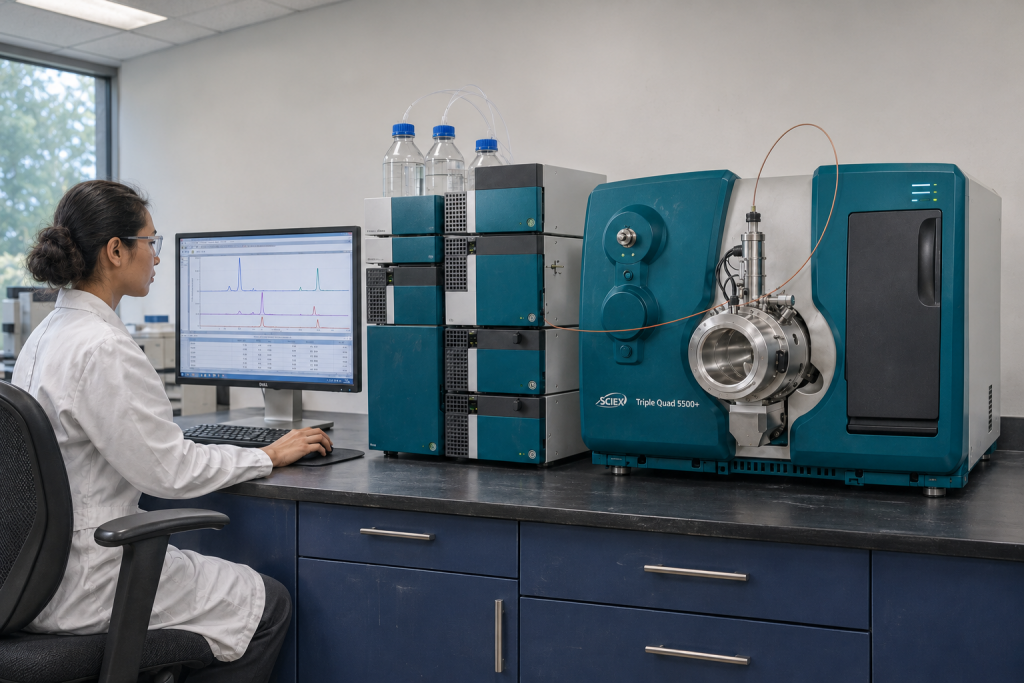
Approximately one year after the SCIEX 5500 was installed, SpectraLab returned to PPB Analytical for preventive maintenance and qualification. By then, the instrument had been operating in the laboratory for roughly a year. The project team reported that it continued to operate well.
The follow-up visit brought the project full circle. The same company that supplied and installed the refurbished system was there to maintain and evaluate it after an extended period of actual laboratory use. And perhaps this is the more useful way to judge a refurbished instrument, not simply by how it performs when first installed, but by how it holds up in the laboratory and the support available to keep it operating
What laboratories are really buying
Refurbished analytical equipment is often discussed in terms of price. And understandably so. A refurbished LC-MS/MS can represent a substantial reduction in capital expenditure compared with purchasing a new system.
But price alone tells a remarkably incomplete story.
A lower acquisition cost means little if the laboratory struggles to get the instrument installed, cannot establish the required methods, or has difficulty finding qualified service support when maintenance is needed.
The PPB Analytical project offers a useful example. SpectraLab supplied the SCIEX 5500, installed and qualified it, supported method development, and returned approximately a year later for preventive maintenance and qualification. These weren’t isolated transactions. They were connected stages in the working life of the same instrument.
It is also why technical experience matters when choosing a refurbished equipment supplier. Understanding the instrument is important, but so is understanding what a laboratory needs to accomplish with it and how to support that work over time.
For SpectraLab, the goal is not simply to put more instruments into laboratories. It is to help customers put those instruments to work, with the technical services and ongoing support that sophisticated analytical systems require.
Because ultimately, a mass spectrometer earns its place in a laboratory not on the day it arrives, but through the work it continues to perform long afterward.